Why puzzle games never seem to go out of style
Every year brings new mobile trends, yet puzzle games stay among the most played. Here is our view on why they last and what separates a good one from a frustrating one.
Built for real life
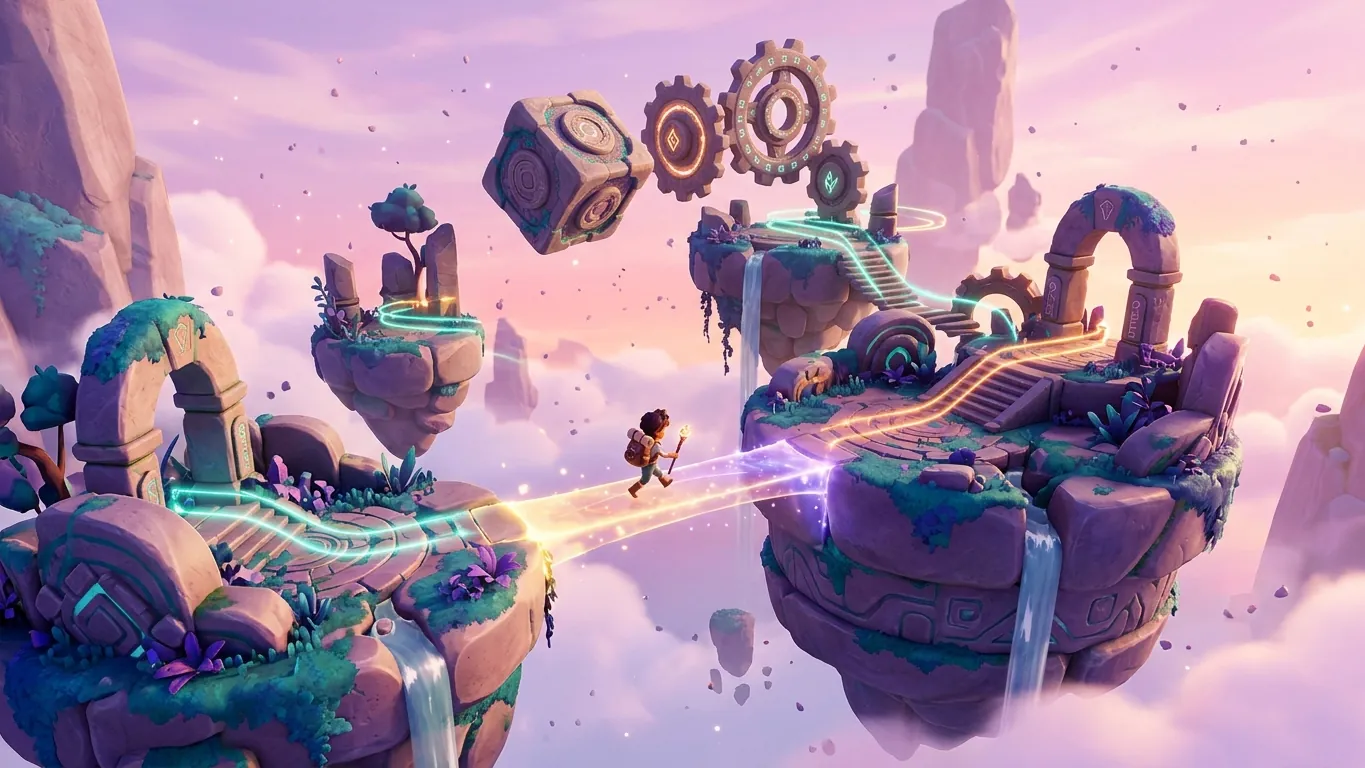
Puzzle games fit how people actually use phones. You can play a level while waiting for a bus and stop without losing progress. There is no team depending on you and no match to finish.
This flexibility is their biggest strength. A puzzle game asks for a few minutes and returns a small sense of accomplishment. That loop works for almost anyone, regardless of age or gaming experience.
In our opinion, that is why puzzle titles keep showing up among popular games year after year, even as other trends come and go.
Simple rules, deep possibilities
The best puzzle games start with one or two rules you understand instantly. Match three tiles. Slide blocks to clear a path. Sort colours into tubes. Then they layer new ideas on top, one at a time.
This gradual layering keeps the game fresh. Each new obstacle or tile type forces you to rethink strategies you already know. When it is done well, you feel smarter as you progress.
When it is done poorly, difficulty jumps suddenly, and the only path forward seems to be buying extra moves. That is the main difference between a puzzle game that respects you and one that frustrates you.
Many puzzle styles to choose from
Puzzle is a broad genre. Match-three games focus on patterns and combos. Physics puzzles ask you to predict how objects fall and bounce. Word games test vocabulary. Logic puzzles, such as grid and number challenges, reward careful deduction.
There are also hybrids. Some puzzle games add a story, a home to decorate or a light role-playing layer. These extras give you a reason to keep going, but they also add more systems to manage.
If you like pure challenge, look for games focused on clever level design. If you enjoy a sense of building something, hybrids can be a good fit.
Enjoying puzzles without frustration
Even good puzzle games have hard levels. When you get stuck, step away for a while. A fresh look often reveals a solution you missed.
Use built-in hints when they are free, and think about whether paid boosters are worth it. In many games, a hard level can be cleared with patience and a few retries.
Life systems, which limit how many attempts you have, can be annoying. Instead of paying to refill them, treat them as a natural reminder to take a break. That keeps the game a relaxing habit rather than a source of stress.
Our take
Puzzle games will likely remain a core part of mobile gaming because they solve a simple need: something engaging that fits into a few spare minutes. They do not need high-end phones, constant connections or long commitments.
The ones worth installing respect that simplicity. They teach clearly, add ideas carefully and leave room for players who never spend money. If a puzzle game makes you smile after a short session, it has done its job well.
Related articles
 Playing online with others, safely and kindly
Practical tips for safe and friendly online play in mobile games: account security, chat safety, team etiquette and how to use report and block tools.
Read more
 Healthy habits for everyday mobile gaming
Simple, balanced tips for enjoying mobile games as part of daily life: breaks, posture, eye comfort, sleep, notifications and when to seek advice.
Read more
 Understanding app permissions and privacy in mobile games
Learn how to read a game's store listing, understand app permissions and data safety details, and manage privacy settings on your Android phone.
Read more