A beginner's guide to mobile strategy games
Strategy games are among the most enduring genres on mobile. This guide covers the basics that apply to most base-building and war strategy titles.
Learn the core loop first
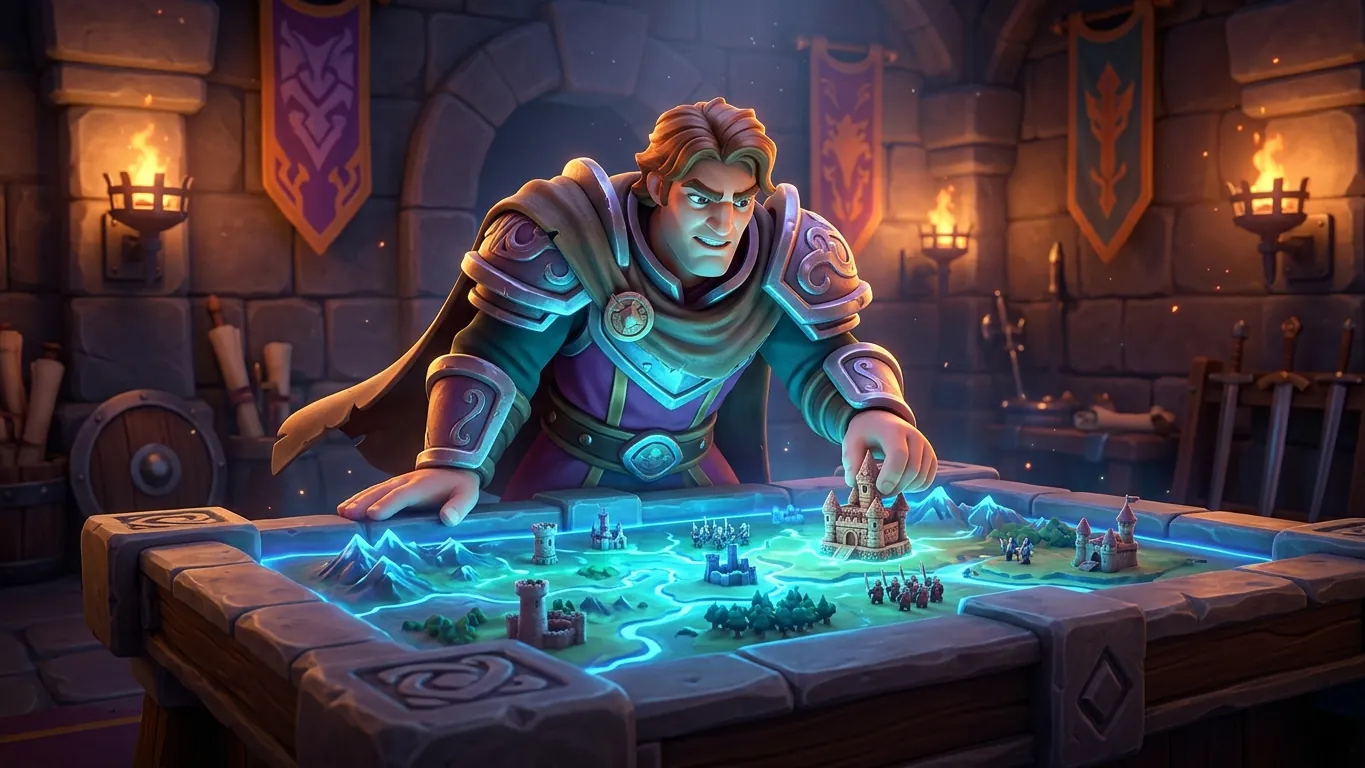
Most mobile strategy games share a loop: gather resources, spend them on buildings and units, use those units in battles or events, then earn more resources. Everything else builds on this cycle.
In your first sessions, focus on understanding which resources matter most and what each main building does. Ignore advanced modes until the basics feel familiar.
Tutorials often push you forward quickly. That is fine, but pause to read building descriptions. A few minutes of reading now saves many wasted upgrades later.
Plan how you spend resources
Resources are limited, and early mistakes slow you down. A common beginner error is upgrading everything a little instead of focusing on what unlocks progress.
In many games, one central building sets the level cap for others. Upgrading it opens new options, so it often deserves priority. Production buildings that generate resources are another strong early choice.
Avoid spending premium currency on small speed-ups in the first days. Early timers are short, and that currency is usually more valuable later for extra build queues or important items.
Build order and defence basics
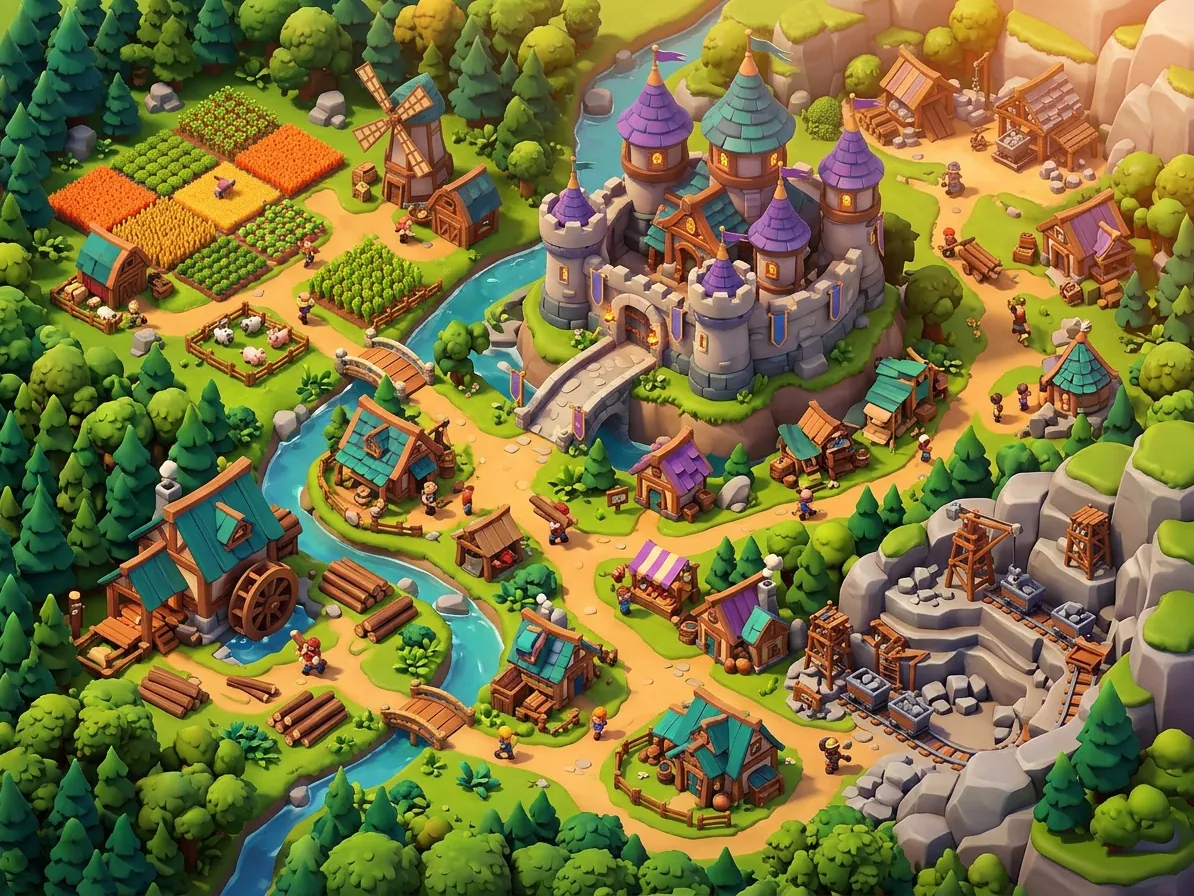
A sensible build order usually looks like this: production first, then storage, then the central building, then military. The exact details vary between games, but the logic is similar. You need income before you can afford anything else.
Many games give new players a protection period. Use it to grow. When it ends, other players may be able to attack you. Keep your resources spent rather than stockpiled, because unspent resources are what attackers can take.
Defensive structures and walls matter more in some games than others. Check how battles are calculated before investing heavily.
Join an alliance wisely
Alliances, guilds or clans are a central part of most mobile strategy games. Members help speed up each other's construction, share resources and coordinate in events.
Look for an active group with clear rules and a friendly tone in chat. A small active alliance is often more helpful than a large quiet one.
Be aware of expectations. Some alliances ask members to join events at specific times. If you have limited time, choose a casual group and say so upfront. It keeps the game enjoyable for everyone.
Handle timers without burning out
Strategy games use timers to pace progress. Upgrades can take minutes at first and much longer later. This design encourages frequent check-ins.
To keep it manageable, plan long upgrades before you sleep or work, and short ones when you can check back soon. Turn off notifications for minor events and keep only the ones you truly need.
Remember that you do not need to keep up with the most active players. Strategy games last a long time, and steady play is enough to enjoy them. If the game starts to feel like a job, it is fine to slow down or take a break.
Related articles
 Why puzzle games never seem to go out of style
An opinion piece on why puzzle games remain a favourite mobile genre, what makes a good one and how to enjoy puzzles without frustration.
Read more
 Playing online with others, safely and kindly
Practical tips for safe and friendly online play in mobile games: account security, chat safety, team etiquette and how to use report and block tools.
Read more
 Healthy habits for everyday mobile gaming
Simple, balanced tips for enjoying mobile games as part of daily life: breaks, posture, eye comfort, sleep, notifications and when to seek advice.
Read more